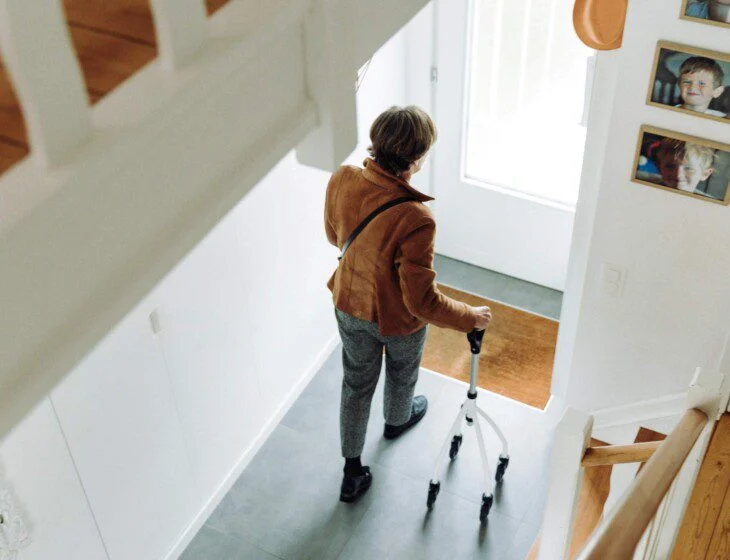
For some seniors, staying at home in retirement can, at first, feel like the more straightforward choice. The surroundings are familiar, routines are established, and expenses seem easier to anticipate because they’re already a part of daily life.
Yet the impact of where you choose to spend your retirement extends far beyond familiarity alone. Access to opportunities and care services, the ability to curate an evolving, satisfying lifestyle: every facet of the day is influenced by what your residence does—or doesn’t—offer.
When you remain at home, the experiences that make life rich—dining out, wellness routines, hobbies, cultural interests—are typically assembled piece by piece. Costs accumulate gradually, alongside the time spent coordinating, planning, and managing the details behind them.
In the sections that follow, we’ll dive into the often-overlooked financial and opportunity costs of staying home in retirement, then explore how senior living communities like Friendship Village of Bloomington are designed to support both everyday life and long-term planning.
Key Takeaways
- Staying home in retirement often brings hidden financial and time-related costs that accumulate gradually.
- Many expenses associated with aging in place are fragmented, unpredictable, and difficult to plan for long-term.
- Senior living communities offer a more integrated approach to supporting both lifestyle and future planning.
What Is Aging In Place?
Aging in place refers to remaining in one’s current home throughout retirement rather than relocating to a senior living community. Many older adults choose this option because it feels familiar and allows them to maintain established routines. While understandable, aging in place can introduce financial, logistical, and lifestyle challenges that are often underestimated.
The Financial Costs of Aging in Place
Though aging in place may feel financially straightforward at first, the long-term costs are rarely static. Over time, homeowners often face a combination of maintenance expenses, added services, and opportunity costs that can complicate planning and strain resources.
Maintaining a Home
Owning a home in retirement comes with ongoing obligations that don’t taper off simply because paid work has ended. For seniors in regions like Minnesota, where seasonal extremes accelerate wear and tear, those responsibilities can be especially persistent.
Ongoing Maintenance and Repair Costs
Major systems—such as roofing, HVAC, and appliances—require regular attention and replacement over time. Cold winters, snow load, and freeze–thaw cycles can shorten the lifespan of roofs, furnaces, and exterior materials. In 2024, average annual home maintenance costs climbed to approximately $10,400, reflecting rising labor and material expenses nationwide.
Fixed and Rising Monthly Expenses
Certain costs remain in place regardless of how often a home is used:
- Property taxes
- Homeowners’ insurance
- Utilities
Utility expenses, in particular, continue to rise. National average monthly utility costs increased from $583 in 2024 to $611 in 2025, with heating and energy use playing a significant role in colder climates.
Overall Housing Cost Trends
More broadly, collective housing-related expenses are also consuming a larger share of household budgets. Recent U.S. Census data shows that many homeowners now spend more than one-third of their income on housing-related expenses, a level traditionally considered a marker of financial strain. This trend underscores how homeownership costs can quietly outpace expectations over time, particularly for those living on fixed or planned incomes.
Planning for Home Modifications
Many older homeowners also anticipate needing physical changes to their homes—such as grab bars, accessible entryways, or bathroom modifications—to support safe, independent living. These updates often require both upfront investment and advance planning, adding another layer to the long-term cost of remaining at home.
The Rising Cost of “A La Carte” Care at Home
Help at home often begins informally and expands gradually. What starts as occasional assistance can, over time, become a regular arrangement influenced by availability, scheduling needs, and changing routines.
The Direct Cost of In-Home Care
According to 2024 national data from CareScout, the median hourly cost for in-home support continues to rise:
- Homemaker services: approximately $30 per hour
- Home health aide services: approximately $31 per hour
At these rates, consistent in-home support can quickly add up—often reaching $65,000 to $70,000 or more per year for full-time care. Importantly, these figures reflect the cost of care services alone. They do not include housing expenses, home maintenance, utilities, transportation, or other day-to-day costs associated with remaining at home.
Coordination and Adjustments
In addition to hourly rates, in-home care brings a coordination layer that is easy to underestimate:
- Scheduling caregivers and managing availability
- Arranging backup support when plans change
- Adjusting services as needs evolve
These responsibilities frequently fall to family members, particularly spouses or adult children, and can introduce variability into both budgets and daily routines.
The Unpredictability of Care Costs
The challenge is not a single expense on its own. It’s the accumulation—and the lack of structure around how services grow—that makes long-term planning more complex. As care needs change, families often manage rising costs alongside increasing coordination demands, without a clear framework for what comes next.
Financial Opportunities Lost
Another factor families can overlook is opportunity cost. Capital tied up in a primary residence can limit flexibility over time, particularly because home equity is not easily or quickly accessed without selling, refinancing, or taking on new financial obligations.
Delaying decisions can further narrow choices. Later moves are often influenced by immediate circumstances rather than long-term preferences. Planning earlier preserves control over timing, structure, and asset allocation, allowing decisions to be made with intention rather than under pressure.
The Lifestyle Costs of Aging In Place
Retirement planning isn’t only about housing. It’s also about sustaining the activities, interests, and routines that make daily life rewarding over time.
When you remain at home, those elements are typically unbundled—managed individually rather than as part of a single, coordinated framework.
Common lifestyle costs of aging in place include:
- Dining beyond daily cooking, whether through restaurants, prepared meals, or grocery services
- Transportation, including car ownership, maintenance, insurance, parking, or rideshares
- Fitness and wellness, from gym memberships and class fees to personal training and pool access
- Hobbies and lifelong interests that may require dedicated space, equipment, materials, or instruction
- Cultural and social access, such as tickets, memberships, and the time spent planning and commuting
- Ongoing logistics, including researching options, managing schedules, and coordinating details
Each of these may feel manageable on its own. Together, they represent a meaningful financial and cognitive load that grows over time.
Social Access
Lifestyle considerations aren’t purely financial. Access to people, shared activities, and everyday interaction can influence how connected daily life feels over time. Explore more details in our guide, The Hidden Social Cost of Aging at Home.
How Senior Living Communities Change the Financial and Lifestyle Equation
At senior living communities like Friendship Village of Bloomington, many lifestyle elements are integrated into everyday life. Multiple dining venues, on-site wellness spaces, a full calendar of events and classes, and dedicated studios for art and woodworking reduce the need to coordinate activities across interests and needs. Whether it’s a round on the putting green, honing your skills in a golf simulator, or taking a dip in the indoor pool, the passions and interests that might feel complicated to pursue at home are right at your fingertips.
The difference isn’t about extravagance. It’s about how costs, time, and access are structured—bringing daily living, long-term planning, and lifestyle support into a single, more predictable framework.
The Reassurance of Long-Term Care Access
One important distinction between aging in place and options such as a Life Care community lies in how future needs are addressed. Aging at home often requires families to repeatedly reassess options as circumstances change, coordinating services and availability at each step.
In a Life Care community, access to additional levels of care, like assisted living, rehabilitation services, memory care, and skilled nursing, is built into the model. Residents can count on having access to additional levels of living within the same community—without the disruption of relocating or managing new providers. This long-term framework offers clarity and continuity that aging in place does not inherently provide.
Discover The Comprehensive Lifestyle Benefits at Friendship Village of Bloomington
Stop trading your time for logistics. When you choose a community like Friendship Village of Bloomington, the complexity of home maintenance, utility bills, and coordinating outside services is replaced by a life where your calendar fills itself with new adventures and every need is already part of the plan. You're not just moving; you're upgrading your whole framework for a future where you remain the central character.
Ready to swap the unpredictable load of aging in place for a life built on connection and certainty? Explore the enriching lifestyle at Friendship Village of Bloomington today.