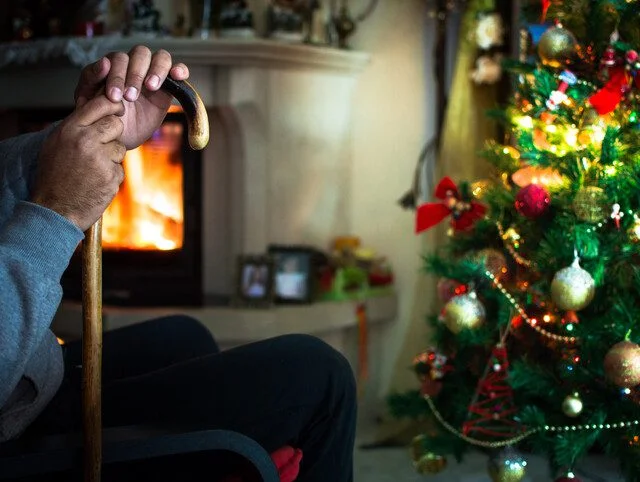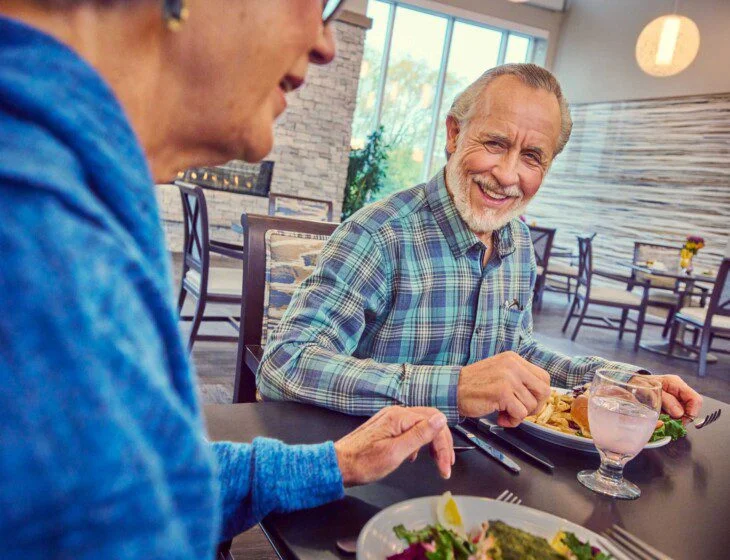
There's a reason people who move into well-designed senior living communities so often say some version of the same thing: "I wish I'd done this sooner." It's rarely about the amenities, though those matter. It's about what it feels like to walk out your door and already be somewhere—somewhere with people who know you, a schedule that pulls you forward, and an atmosphere that makes belonging feel natural.
That experience isn't incidental. It's the result of intentionality, and its impact on health and longevity is increasingly well-documented. According to the CDC, social isolation and loneliness are associated with a substantially higher risk of dementia, heart disease, stroke, and depression in older adults. On the other side of that equation, older adults with strong social ties show better physical health, sharper cognitive function, and higher life satisfaction.
At Friendship Village of Bloomington in Bloomington, Minnesota, those ties don't require effort to build. They develop as a natural function of daily life—because the community was established with exactly that in mind.
Key Takeaways:
- Consistent social connection is one of the most well-researched contributors to cognitive health and overall well-being in older adults.
- Community living removes the barriers that make it difficult to maintain relationships over time.
- At Friendship Village of Bloomington, 35+ resident-led clubs, four dining venues, and decades of trusted community culture create daily conditions for genuine belonging.
The Real Reason Social Life Fades—and What Community Living Restores
Most people drift toward isolation because the structures that once generated social contact naturally have changed. Careers, neighborhood ties, and the routines of raising a family all create consistent contact with other people without requiring much deliberate effort. When those structures shift, the contact often goes with them.
The National Institute on Aging notes that retirement, the loss of a spouse, and reduced mobility are among the most common contributors to decreased social engagement for older adults—not because relationships stop mattering, but because the occasions for them become less automatic. What replaces those occasions matters enormously.
Community living is one of the most direct answers to that question. When your home is embedded in a larger social world—one with shared meals, shared spaces, and shared programming—contact becomes built-in again. You don't have to schedule belonging. You just have to show up.
What Belonging Looks Like at Friendship Village of Bloomington
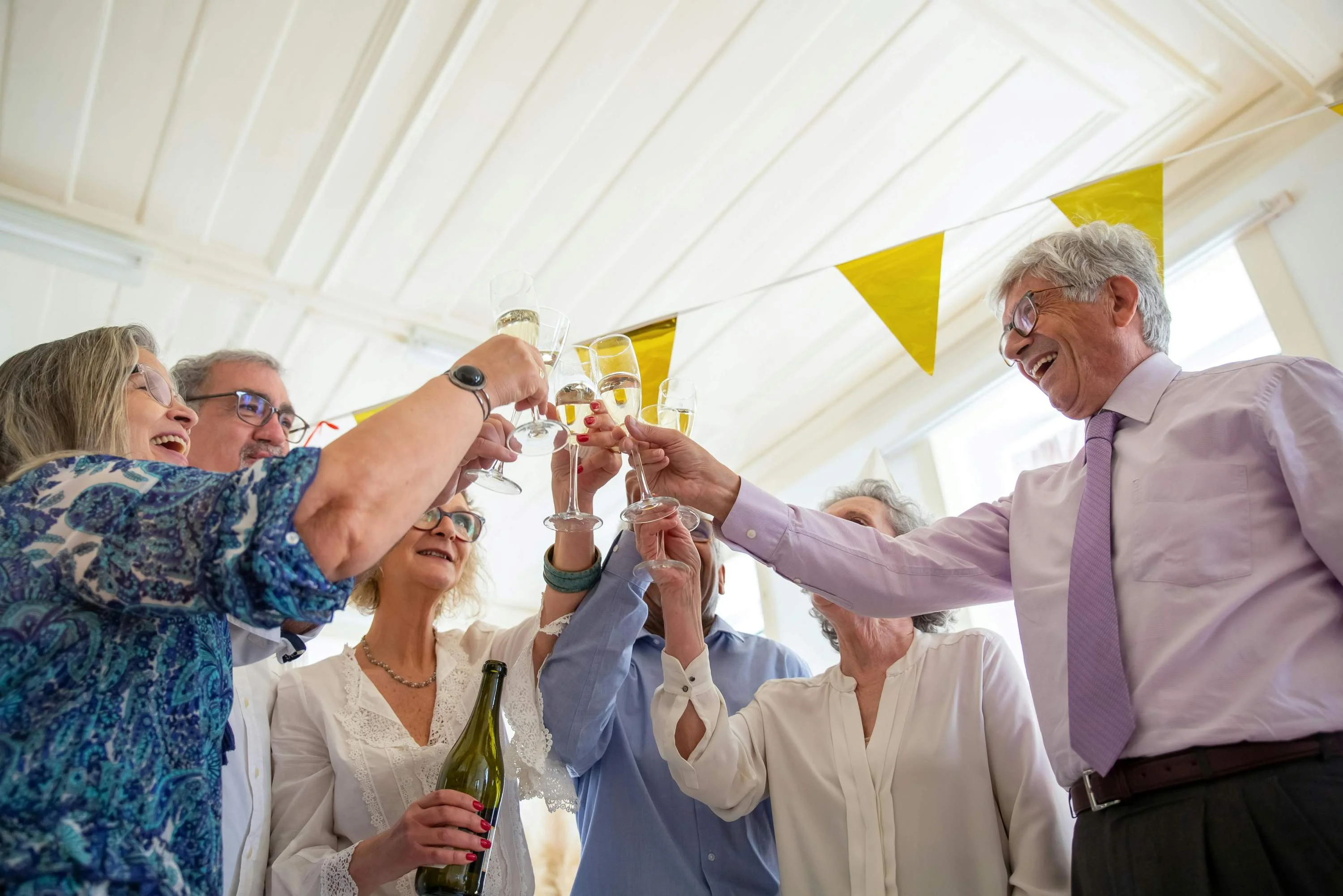
At Friendship Village of Bloomington, a typical week offers far more social opportunity than most calendars can hold—and that's precisely the point. Four distinct dining venues bring residents together over meals multiple times a day, turning something as simple as lunch into a recurring reason for conversation and familiarity. A community auditorium hosts lectures, performances, and special events that give neighbors shared experiences worth talking about well after they end.
Then there are the clubs—more than 35 of them, resident-led and covering everything from special interests to service projects to recreational activities. This is where many of the community's deepest friendships form: not in grand gestures, but in the weekly return to something you care about, alongside people who care about it too.
Survey research on senior living found that community residents report significantly higher rates of daily social engagement and sense of belonging compared to older adults living independently at home. At Friendship Village of Bloomington, that advantage is woven into the framework of every day.
Small Moments, Lasting Impact
Peer-reviewed studies show that even low-intensity, repeated social contact—familiar faces at meals, brief hallway exchanges, recurring group activities—carries measurable cognitive and emotional benefits for older adults. The regularity of contact matters more than its depth on any given day.
This is exactly what community living delivers so well: not a series of curated social events, but a steady undercurrent of human presence and shared life. At Friendship Village of Bloomington, that undercurrent is enriched by a community culture that has been building for more than 40 years—recognized by Newsweek as the No. 1 CCRC in Minnesota and by U.S. News & World Report for rehabilitation excellence. The people who've made this their home have shaped something that new residents step into immediately.
Connection Across Every Corner of the Community
Social engagement at Friendship Village of Bloomington doesn't stop at the dining room door. It extends into the 17,000-square-foot fitness center during group wellness classes, into the art studio and woodworking shop where shared projects spark ongoing conversation, and out onto the landscaped walking paths and garden plots where neighbors fall into step with each other naturally.
A 2025 Forbes analysis on senior living and loneliness found that the quality of relationships within a community—not just their frequency—is what drives meaningful well-being outcomes. Friendship Village of Bloomington fosters both. The depth of rapport residents describe here is a direct reflection of a community built around the conviction that a full life is, above all, a shared one.
Find Your People at Friendship Village of Bloomington
Explore life at Friendship Village of Bloomington and see what it looks like to live somewhere your presence is noticed, your interests are supported, and meaningful social engagement is simply part of the day. Contact us to schedule a tour or speak with our team.